

In underground mining and geotechnical engineering, friction bolt plays a critical role in stabilizing surrounding rock and ensuring excavation safety. The comparison between friction bolt vs rock bolt is essential for engineers, procurement teams, and mining contractors when selecting the right ground support solution.
Understanding the structural differences, load-bearing mechanisms, and installation environments helps optimize both safety and cost efficiency.
A friction bolt is a ground support element that stabilizes rock through frictional resistance between the bolt body and surrounding rock mass.
It is commonly used in:
Weak rock formations
Short-term excavation support
Tunnel heading areas
The system relies on immediate friction locking after installation.
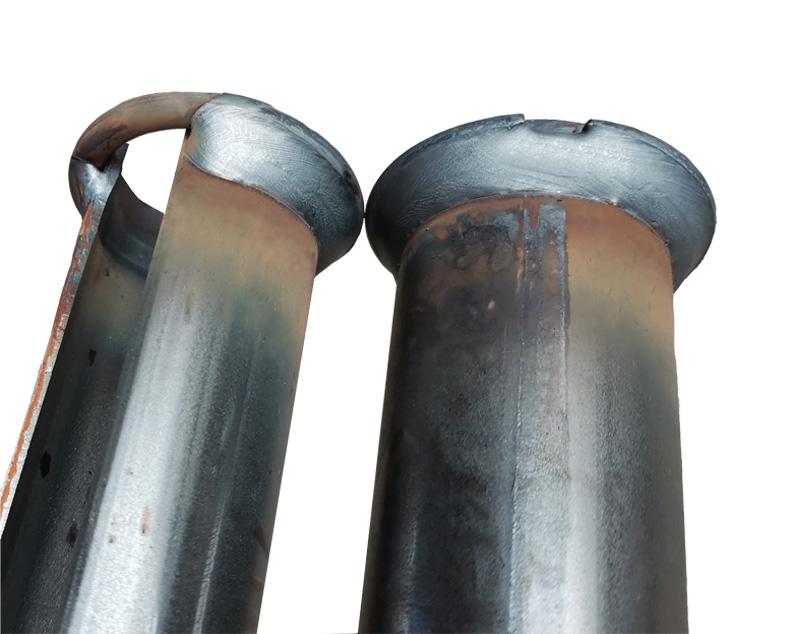
A rock bolt is a reinforcement system that anchors unstable rock layers by transferring load into deeper, more stable rock formations.
It is widely used in:
Permanent underground support
Mining tunnels
Hydropower caverns
Roadway stabilization
Rock bolts often use resin, mechanical expansion, or grouted anchoring systems.
The key difference lies in load transfer:
Friction bolt system: stabilizes rock through surface friction along the borehole
Rock bolt system: transfers load deep into stable rock layers
Friction Bolt Structure
Steel split tube
Friction anchoring surface
Immediate expansion contact
Rock Bolt Structure
Steel rod
Resin or mechanical anchor
Grout or expansion shell system
The friction bolt / rock bolt system is widely used in:
Underground mining excavation
Tunnel engineering
Slope reinforcement
Cavern construction
Metro infrastructure projects
Friction bolts are installed by:
Direct insertion into drilled hole
Immediate mechanical expansion
Rock bolts require:
Resin injection or grout filling
Controlled curing time before full load activation
Friction bolts provide fast but moderate support
Rock bolts provide higher long-term structural stability
Engineers often combine both systems for layered support.
When choosing between friction bolt vs rock bolt:
Rock mass quality
Excavation depth
Required support lifespan
Installation speed requirements
Cost expectations
Modern underground engineering increasingly adopts hybrid support systems:
Immediate support using friction bolts
Long-term reinforcement using rock bolts
Monitoring of ground stress conditions
Tanrimine provides engineered mining support solutions for underground environments.
Key advantages:
High-strength steel manufacturing
Reliable load-bearing performance
Adaptability to complex geology
Efficient installation systems
Proven mining safety applications
Friction bolts rely on surface friction, while rock bolts anchor into deeper rock layers.
Rock bolts provide higher long-term stability.
For fast installation in weak rock zones.
Yes, hybrid systems are common in mining.
No, they are designed for permanent or semi-permanent support.
Looking for the right friction bolt or rock bolt system for your project?
Our engineering team can help evaluate requirements and recommend the most suitable solution.
Welcome to contact us for technical consultation, project evaluation, samples, and competitive quotations.
Email: jimwang@cnort.com
Tanrimine provides mining ground support solutions for global underground engineering projects.