

Selecting the right friction bolt is a critical decision for underground mining, tunneling, and rock reinforcement projects. The wrong bolt specification can affect excavation safety, installation efficiency, and long-term ground support performance.
Mining engineers, procurement managers, and tunnel contractors usually evaluate several key factors before purchasing friction bolts, including:
Bolt diameter
Bolt length
Steel grade
Corrosion protection
Rock conditions
Load capacity
Installation requirements
Unlike ordinary fasteners, friction bolts are part of a complete ground support system. The correct choice depends not only on product specifications but also on geological conditions and project requirements.
Tanrimine provides professional underground mining support solutions, including high-performance friction bolts such as FB33, FB39, and FB47 series for different rock reinforcement applications.
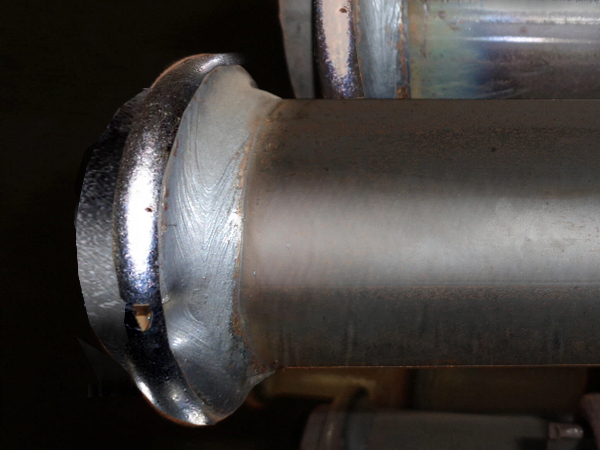
47mm Friction Bolt Stabilizer
A friction bolt is a type of rock reinforcement system used in underground mining and tunneling projects.
Unlike traditional mechanical anchor bolts, friction bolts work by creating continuous friction between the bolt surface and the drilled rock hole.
During installation:
A hole is drilled into the rock.
The friction bolt is inserted using hydraulic equipment.
The bolt expands against the surrounding rock.
Friction resistance provides immediate ground support.
This design allows friction bolts to provide:
Fast installation
Immediate reinforcement
Flexible rock support
Reliable performance in changing geological conditions
Common applications include:
Underground mines
Railway tunnels
Hydropower tunnels
Underground construction projects
Different underground environments create different support challenges.
Factors such as:
Rock hardness
Geological stress
Tunnel size
Water conditions
Expected service life
all influence the required bolt specification.
A bolt suitable for a stable rock formation may not perform well in fractured or high-stress environments.
Professional mining projects usually evaluate the complete support requirement before selecting a friction bolt model.
Choosing the right friction bolt (e.g., split sets or inflatable stabilizers) requires matching the bolt's load capacity and length to the rock mass rating (RMR), the size of the excavation span, and corrosion risks. Because they provide immediate, full-column support, proper selection ensures safe, rapid advance rates in development headings.
Diameter affects:
Load capacity
Expansion force
Rock reinforcement strength
Common friction bolt sizes include:
FB33
FB39
FB47
FB33 friction bolt is commonly selected for general ground support applications.
Advantages:
Lightweight design
Easier transportation
Faster installation
Suitable for:
Medium rock conditions
General underground excavation support
Cost-sensitive projects
FB39 friction bolt provides higher reinforcement capacity compared with smaller diameter options.
Suitable for:
Medium to challenging rock conditions
Mining roadways
Tunnel reinforcement
It offers a balance between:
Installation efficiency
Support performance
Material cost
FB47 friction bolt is designed for applications requiring higher load capacity.
Suitable for:
High-stress underground environments
Large excavation areas
Difficult geological conditions
When rock pressure is higher, larger diameter friction bolts can provide additional reinforcement capability.
Bolt length determines how deep the reinforcement extends into surrounding rock.
Longer bolts are often considered when:
Rock layers are unstable
Excavation size is large
Deeper reinforcement is required
Shorter bolts may be suitable for:
Stable rock conditions
Smaller tunnels
Temporary support applications
A professional selection usually considers:
Rock fracture depth
Tunnel profile
Required anchoring zone
Rock type is one of the most important factors.
Requirements:
Standard reinforcement
Efficient installation
Common choice:
FB33 or FB39 friction bolts
Requirements:
Higher expansion capability
Better adaptability
Common choice:
FB39 or FB47 friction bolts
Requirements:
Maximum reinforcement performance
Strong load resistance
Common choice:
FB47 friction bolts or customized solutions
Different mining projects require different support loads.
Engineers usually consider:
Ground pressure
Excavation depth
Rock deformation
Safety requirements
Higher load capacity does not always mean better performance.
The most suitable bolt is the one that matches the actual geological conditions.
Underground environments often contain:
Water
Humidity
Chemicals
Mineral deposits
These factors may reduce bolt service life.
Common protection methods include:
Protective coatings
Corrosion-resistant materials
Proper drainage systems
For long-term mining operations, corrosion resistance is an important purchasing consideration.
| Project Condition | Recommended Consideration |
| Standard underground mining | FB33 |
| Medium rock pressure | FB39 |
| High-stress excavation | FB47 |
| Wet underground environment | Corrosion protection required |
| Large tunnel projects | Longer bolt length and higher capacity |
Lower-cost bolts may reduce initial investment but increase:
Maintenance requirements
Replacement frequency
Safety risks
A bolt specification should always match the rock environment.
Using the same bolt type for every project may reduce support effectiveness.
Diameter and length work together.
A larger diameter with insufficient length may not provide the expected reinforcement effect.
Different friction bolts may require compatible installation tools.
Procurement teams should confirm:
Installation method
Hydraulic equipment requirements
On-site operating conditions
Experienced mining suppliers do not recommend friction bolts only by product model.
They evaluate:
Mining depth
Rock classification
Tunnel design
Expected service life
Installation efficiency
For example:
A shallow tunnel in stable rock may achieve excellent performance with FB33.
However, a deep underground mine with high stress may require FB47 to provide additional support capacity.
The correct selection improves both safety and project economics.
Tanrimine specializes in underground mining support products and provides reliable friction bolt solutions for global mining and tunneling projects.
Tanrimine friction bolts feature:
High-quality steel materials
Reliable expansion performance
Consistent manufacturing quality
Different diameter and length options
Solutions for various geological conditions
Available solutions include:
Suitable for general underground support applications.
Designed for medium-strength reinforcement requirements.
Suitable for demanding underground environments requiring higher support capacity.
With professional manufacturing experience, Tanrimine helps mining companies, contractors, and distributors select suitable ground support products for safer and more efficient underground operations.
Key factors include diameter, length, steel grade, corrosion protection, rock condition, load requirements, and installation method.
The main differences are diameter, reinforcement capability, and application conditions. Larger models generally provide higher support capacity.
Yes. Friction bolts are widely used in underground mines and tunnels because they provide immediate rock reinforcement after installation.
The required length depends on rock conditions, excavation size, and the required reinforcement depth.
Choosing the right friction bolt for underground mining projects requires more than selecting a standard product size.
Mining companies should consider:
Rock conditions
Bolt diameter
Length requirements
Load capacity
Corrosion protection
Installation efficiency
FB33, FB39, and FB47 friction bolts provide different support options for various underground conditions.
Tanrimine delivers professional friction bolt solutions to help mining companies improve safety, efficiency, and long-term ground support performance.
Contact Tanrimine
E-mail: jimwang@cnort.com