

In underground mining and tunneling projects, the performance of a support system depends not only on the friction bolt itself but also on the quality and design of the Dome Plate of Friction Bolt. Selecting the right dome plate can significantly improve load distribution, ground stability, and long-term support performance.
For procurement managers, mining contractors, and ground support engineers, understanding the differences between dome plate specifications is essential before making a purchasing decision.
A friction bolt support system works by creating frictional resistance between the bolt and the surrounding rock. However, the load transferred from the rock surface must be effectively distributed through the plate.
A properly designed Dome Plate of Friction Bolt helps:
Improve surface load distribution
Reduce localized stress concentration
Enhance rock mass stabilization
Increase support system durability
Minimize maintenance and replacement costs
In challenging underground environments, an inadequate plate may lead to premature deformation or reduced support efficiency.
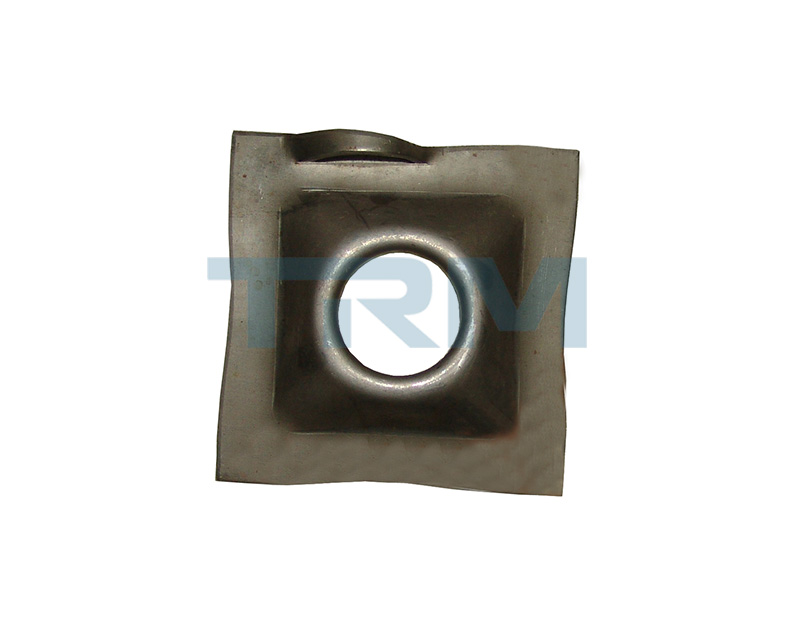
When evaluating different dome plate options, buyers should focus on several critical parameters.
Thickness directly affects bearing capacity.
Common specifications include:
4 mm
5 mm
6 mm
8 mm
Thicker plates generally provide higher load resistance and are preferred for deep mining operations with significant ground pressure.
Typical dimensions include:
120 × 120 mm
140 × 140 mm
150 × 150 mm
Larger plates offer wider load distribution and improved support performance in fractured rock formations.
The material used in the Dome Plate of Friction Bolt influences strength and service life.
Common options include:
Q235 Steel
Q355 Steel
High-strength structural steel
Higher-grade materials deliver better deformation resistance under dynamic loading conditions.
Corrosion protection becomes increasingly important in humid underground environments.
Popular treatments include:
Hot-dip galvanizing
Zinc coating
Black finish
Custom anti-corrosion coatings
These treatments help extend operational lifespan and reduce replacement frequency.
| Feature | Standard Plate | Heavy-Duty Plate |
|---|---|---|
| Thickness | 4-5 mm | 6-8 mm |
| Load Capacity | Medium | High |
| Application | General mining | Deep mining |
| Deformation Resistance | Moderate | Excellent |
| Service Life | Standard | Extended |
For projects involving high stress zones or seismic conditions, heavy-duty dome plates often provide a better return on investment despite higher initial costs.
The Dome Plate of Friction Bolt is widely used in:
Underground coal mines
Hard rock mining operations
Metal mining projects
Civil tunneling projects
Hydropower tunnels
Transportation infrastructure tunnels
These applications frequently require reliable ground control systems to maintain worker safety and operational continuity.
Tanrimine provides engineered ground support components designed for demanding underground applications. The company supplies dome plates compatible with various friction bolt systems and offers customized manufacturing solutions for mining contractors, distributors, and project developers worldwide.
Its production capabilities focus on dimensional accuracy, structural integrity, corrosion protection, and reliable supply capacity for large-scale mining projects.
Looking for the right Dome Plate of Friction Bolt for your mining or tunneling project?
When sending an inquiry, please provide:
Plate size
Plate thickness
Steel grade
Surface treatment
Hole diameter
Required load capacity
Annual purchase quantity
Project location
Friction bolt specification
Email: jimwang@cnort.com
Our engineering team can recommend the most suitable dome plate solution based on your ground conditions, support requirements, and procurement budget,please contact us.